Beyond CCPT: A Banker’s Guide to ASEAN Sustainable Finance - Series 3/6
Not All “Transition” Is the Same : Why This Nuance Matters
In the earlier posts, I shared how Bank Negara Malaysia’s CCPT helps us classify exposures, and how the ASEAN Taxonomy for Sustainable Finance introduces a broader, regional lens.
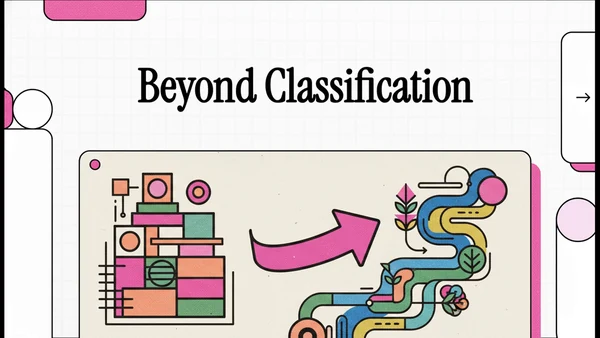
But there is one area where the difference becomes more meaningful: How we understand “transition.” What CCPT taught us. Under CCPT, we are already familiar with the idea of: ▶️ Climate-supporting activities ▶️ Transitioning activities ▶️ Higher climate risk exposures This has helped us move away from a simple “good vs bad” view.
We recognize that many businesses; especially SMEs, are in transition, not fully aligned yet. And that, in itself, was a big step forward.
But here’s the subtle question... "When we say a company is “transitioning”…Are all transitioning companies at the same stage?" In practice, we know they are not. Some are: 🪢 Just beginning to acknowledge the need to change. Others are: 🪢 Already investing, adjusting processes, and moving forward. Yet under a broad “transition” label, these differences can sometimes be less visible.
Where ASEAN Taxonomy adds nuance... The ASEAN Taxonomy begins to recognise this reality more explicitly. 👉 Transition is not a single category 👉 It exists along a spectrum
In simple terms, it introduces more granularity within what we broadly call “in transition.” This matters because it allows us to see: ➡️ Who is making real progress ? ➡️ Who is still at an early stage ?
Why this matters for bankers....
From a credit perspective, this nuance is not theoretical. It shapes how we: 🔛 Assess future viability 🔛 Structure financing 🔛 Engage clients in meaningful conversations
Two companies may both be “transitioning” but their direction, pace, and intent can be very different. And that difference matters.
Bringing it closer to our day-to-day. Think of two SMEs in the same sector: ⛔ One acknowledges sustainability pressures but has taken no concrete steps ↗️ Another has begun investing in efficiency, even if progress is gradual Both may sit within a “transition” category.
But as bankers, we instinctively view them differently. The ASEAN Taxonomy begins to provide a language to reflect that difference more clearly. So what changes? ⚠️ Not our role - but our lens. We move from: ⛔ “Is this client transitioning?” To: ✔️ “How far along is this client in their transition journey?”
In the next post, I’ll bring this into practical focus:
What should Relationship Managers start asking differently when engaging SMEs in this evolving landscape?
hashtag #SustainableFinance hashtag #CCPT hashtag #ASEANTaxonomy hashtag #ClimateRisk hashtag #ESG