
Climate risk and CCPT learning · Malaysia
From policy topractical conversations.
Practical climate-risk learning for Relationship Managers, credit and risk teams, banking leaders and learning teams. Explore original resources and discuss a briefing shaped around your audience’s work.

Explore the original resources by topic below. The interactive teaching examples are illustrative; adapt them to your organisation’s requirements.
Explore by topic
Explore the original learning resources.
Original posts, videos and illustrated guides, organised around the work you do.
Relationship Managers
Customer-facing bankers
CCPT & sustainable finance
Bankers, credit and sustainability teams
SME transition cases
Relationship Managers and SME banking teams
Risk & resilience
Credit, operational risk and BCM teams
Governance & leadership
Banking leaders and board audiences
Learning & facilitation
Learning teams and banking practitioners
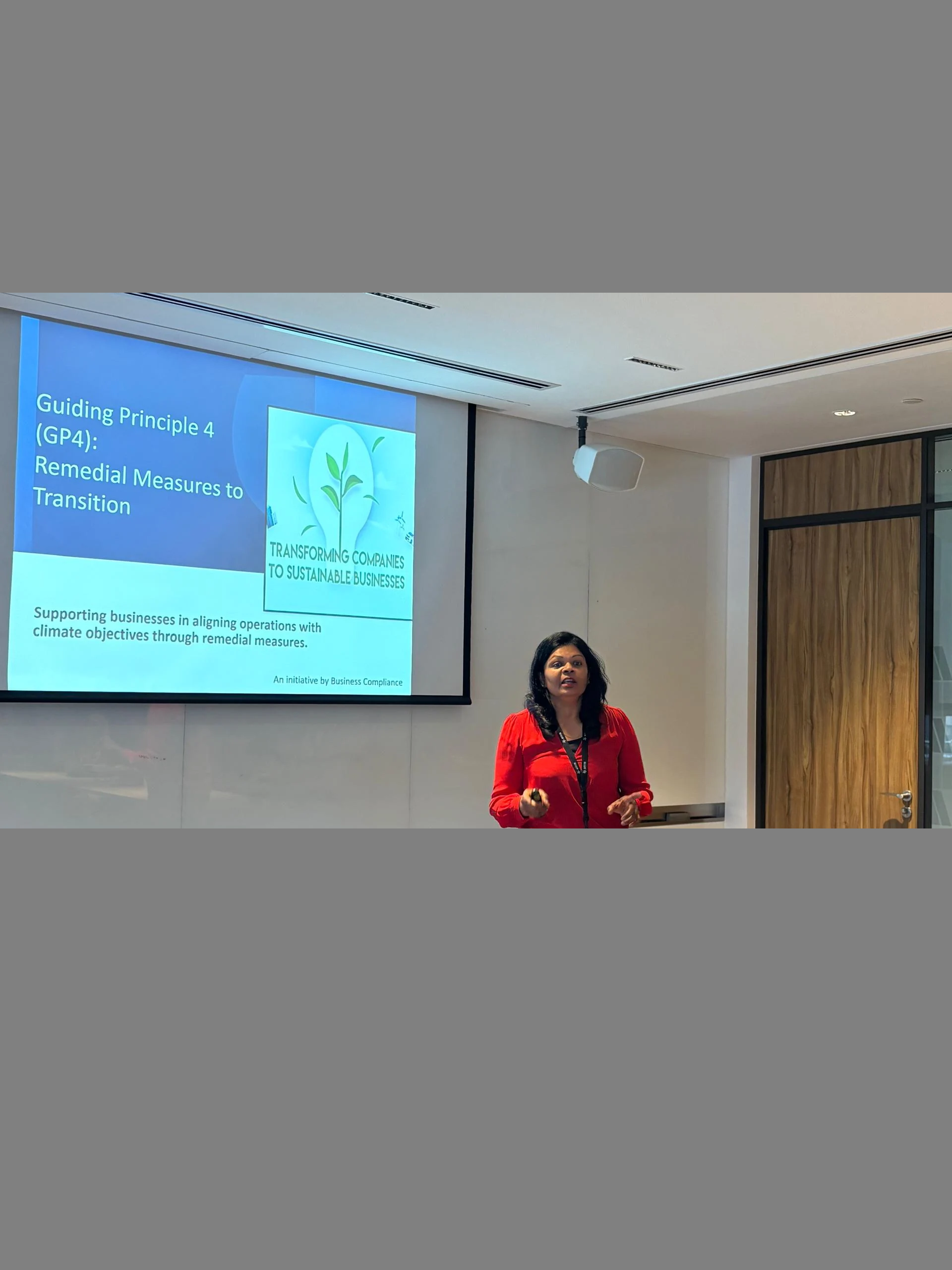
Teaching in practice
A framework is only the beginning.
Learning becomes useful when people can connect it to the businesses they work with—and the questions they need to ask next.
Yasotha brings that practical banking perspective into her briefings, training and original learning resources.
For learning and development teams
Plan learning around the decisions your team makes.
Start with the work people need to do: hold a customer conversation, make sense of climate-risk information, or connect an assessment with the next question.
Relationship Managers
Practise questions connecting climate transition with customer costs, productivity, competitiveness and resilience.
Explore the original resources ↗Credit, risk and compliance teams
Explore the information and questions connecting climate considerations with credit discussions, operational risk and continuity.
Explore the original resources ↗SME banking teams
Discuss how transition pressures and opportunities differ across sectors, using original illustrated cases.
Explore the original resources ↗Banking leaders and learning teams
Identify role-specific learning priorities and build a shared language for practical follow-up.
Explore the original resources ↗Choose your audience, topic and desired outcome, then copy the briefing summary and continue on LinkedIn. The site does not send the enquiry.
A practical learning method
Make the next conversation easier to navigate.
Explore the four stages. The visual and guidance respond to your selection.
See the whole context
Understand
Begin with the customer’s business model, operating context and transition pressures before narrowing the question.
What is changing around the customer—and what may that change for them?

Illustrative teaching example
A conversation guide you can read at a glance.
- Customer contextBusiness model, operations, customers and priorities.
- Risk questionsWhat may be material, and what would make the picture clearer?
- Practical next stepAgree an action, an owner and a sensible review point.
Draft educational content. Adapt the questions to the customer, role and decision.
Planning a useful conversation
Questions from banking and learning teams.
Who is the learning for?
The resources are written for Relationship Managers, credit and risk teams, banking leaders and learning teams. They connect climate risk and CCPT with customer conversations, SME transition and business resilience.
What topics can a briefing explore?
A conversation can start with climate-risk questions for customers, practical CCPT learning, SME sector cases, or the connections between credit, operational risk and business continuity. The focus can be discussed around your audience and the decisions they face.
Where can I see Yasotha’s approach?
Start with her climate-risk conversations for Relationship Managers, then explore the SME transition cases and workshop reflections. The library includes the original posts, available attachments and LinkedIn source links.
How do I discuss learning for my team?
Use the briefing enquiry to choose an audience, topic and desired outcome. Copy the summary and send it to Yasotha on LinkedIn. The website prepares the summary; it does not send a message.
Are the archived guides current regulatory instructions?
They are Yasotha’s original educational posts and reflections, preserved with their source context. Frameworks and requirements can change. Check the current framework-owner material and your organisation’s requirements before applying an example.
Let’s discuss your audience and priorities.
Shape a briefing that is clear, relevant and practical.